
Store
Child health
Probiotics in pediatric forms: sachets for babies from 6 months, chewable tablets, and capsules.
- Made in Bulgaria
- Clinically tested
- Over 2,500 pharmacies
-
10 sachets
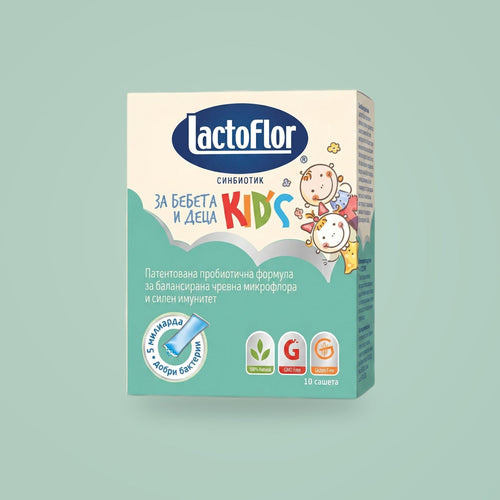
 Probiotic for babies and children
Lactoflor Kids
Specially developed for children, with no added preservatives, sweeteners, or colorings.
-
20 tablets
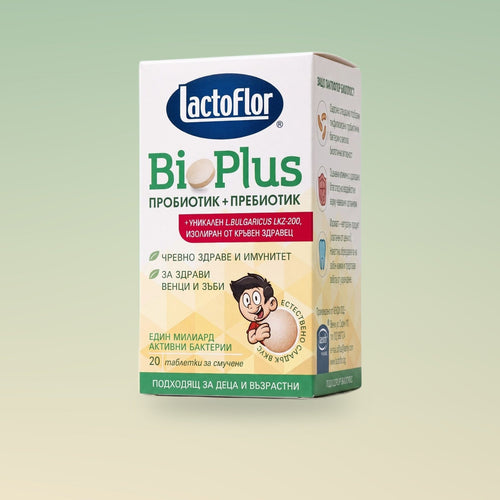
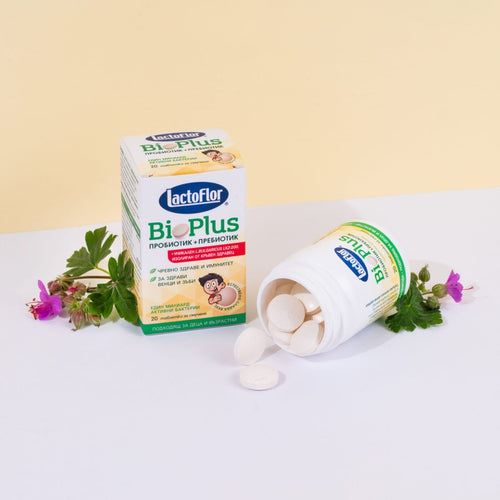 Oral hygiene and local immunity
Lactoflor BioPlus tablets
Lozenges designed to support oral health, digestion, and the immune system.
-
12 capsules
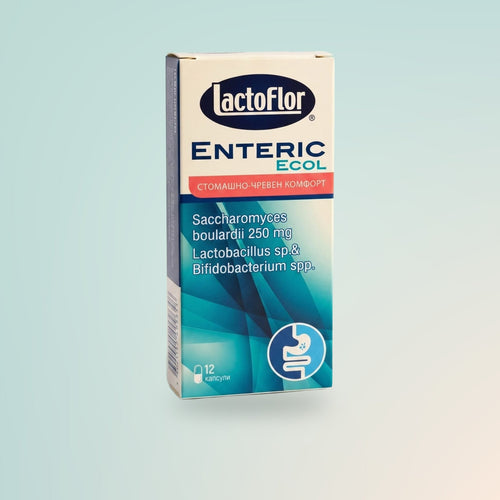
 Gastrointestinal discomfort
Lactoflor Enteric Ecol
Helps to quickly soothe and improve intestinal comfort.


Special Offers
Create your "Immunity Basket" from Lactoflor or discover yours among our suggestions for supporting a healthy immune system:
BasketImmunity

*The basket is for illustrative purposes only.
- BioPlus capsules × 1
- Sevida × 1
BasketImmunity Plus

*The basket is for illustrative purposes only.
- Opti6, 30 capsules × 1
- BioPlus tablets × 1
- Sevida × 1
BasketChildren's Care

*The basket is for illustrative purposes only.
- BioPlus tablets × 1
- Kids × 1
BasketFor the Whole Family

*The basket is for illustrative purposes only.
- Opti6, 30 capsules × 1
- Kids × 1
- Urobiotic Forte × 1
BasketThe Games

*The basket is for illustrative purposes only.
- BioPlus capsules × 1
- BioPlus tablets × 1
- Opti6, 12 capsules × 1
With promo code IGRITE20 you get −20% off your order.
BasketMihaela

*The basket is for illustrative purposes only.
- BioPlus tablets × 1
- BioPlus capsules × 1
- Opti6, 30 capsules × 1
BasketPaola

*The basket is for illustrative purposes only.
- BioPlus tablets × 1
- Sevida × 1
- Urobiotic Max × 1
Trust the people who have tried

Victoria Pachedzhieva
My daily ritual begins with a sachet of Lactoflor Natural Fibers—my easy way to take care of good digestion and a feeling of lightness and comfort. I no longer think about stomach discomfort because the product not only supports my natural detoxification but also gives me the confidence that my metabolism is in complete balance.

Denitsa Ginova
I have been using Lactoflor's Bio Plus capsules for 16 years; for me, it is an extremely effective barrier against illness. It helps me with bloating and abdominal discomfort, I recommend it.


More about the category